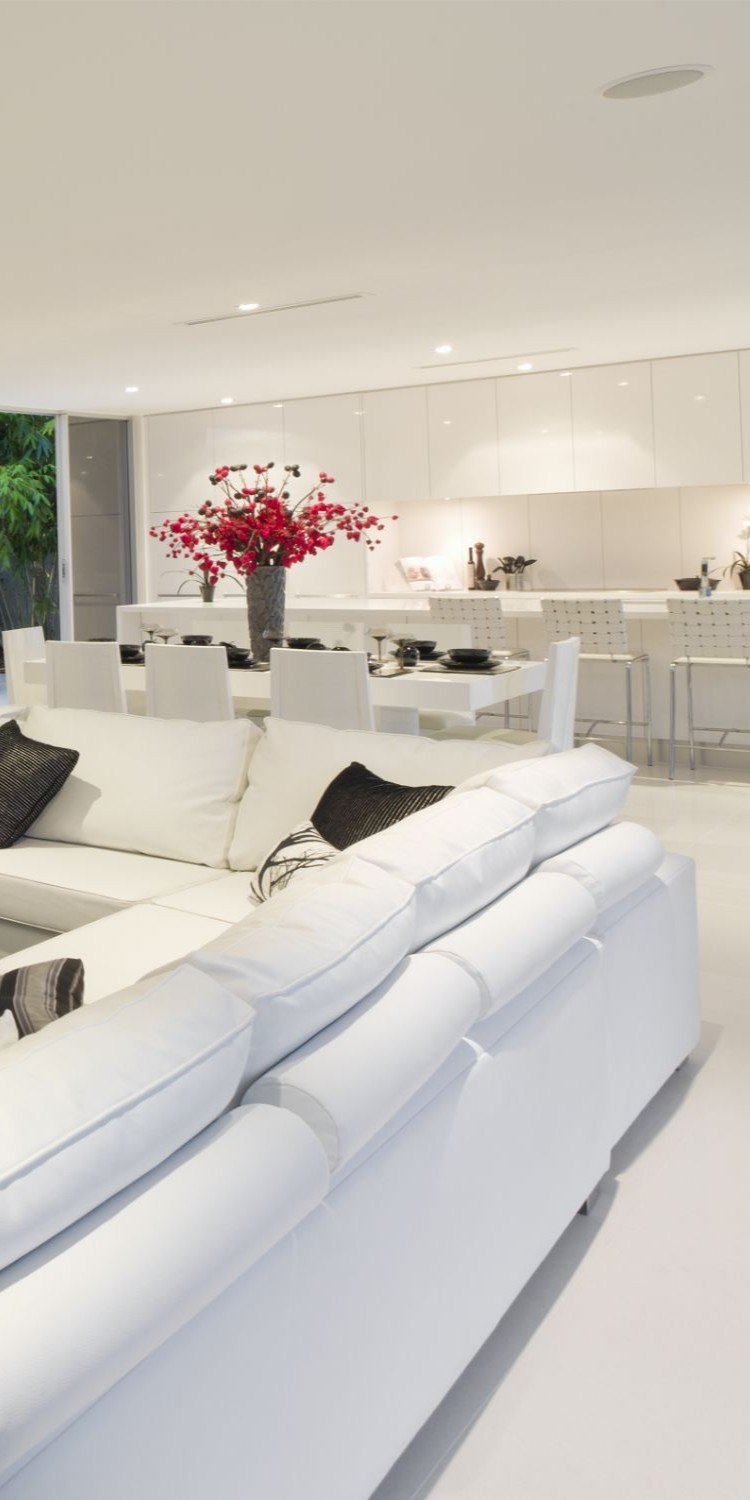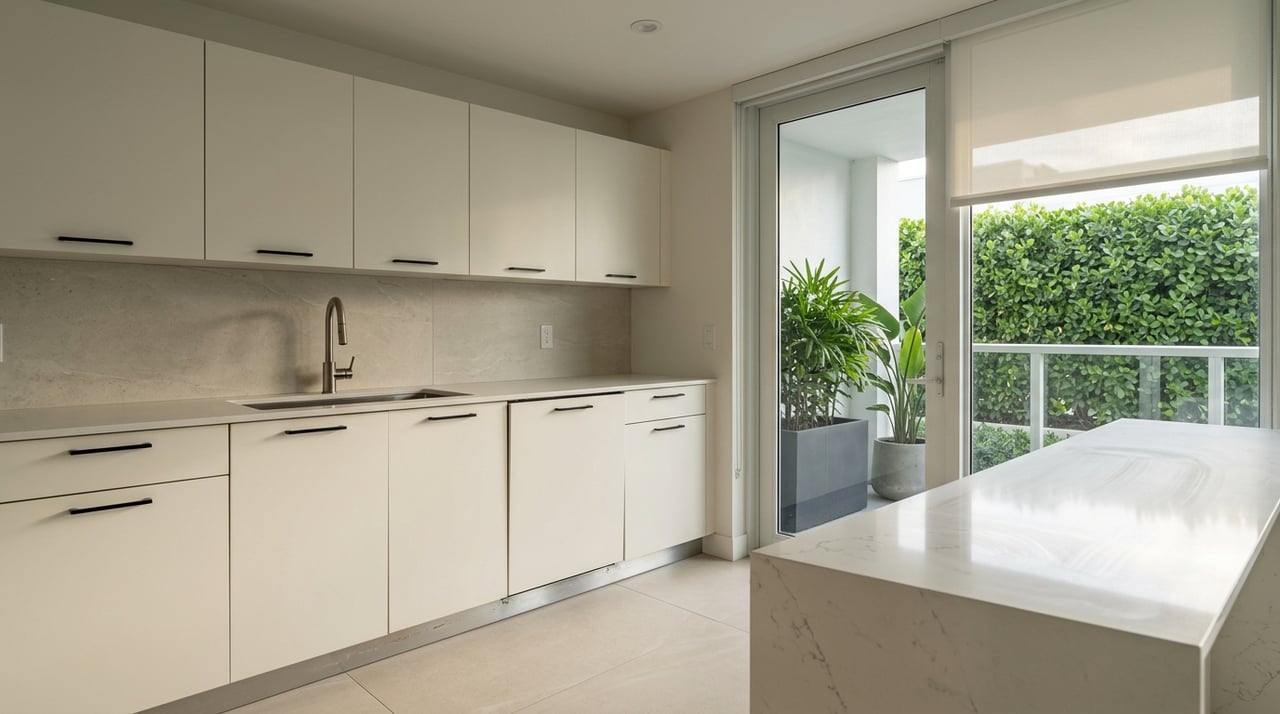
A second home in Palm Beach should feel like an escape, not a second job. If you are buying a place you will use seasonally, the real goal is not just beauty or location. It is finding a home that is easy to own, simple to secure, and practical to enjoy between visits. In this guide, you will learn what “low-maintenance” really means in Palm Beach, what to look for before you buy, and how to avoid ownership headaches later. Let’s dive in.
Why Palm Beach fits seasonal owners
Palm Beach has a long history of seasonal ownership, so part-time living is nothing new here. That matters because many properties, buildings, and ownership setups are already geared toward owners who come and go throughout the year.
The town is also shaped by coastal conditions. Palm Beach highlights shoreline protection, strict zoning standards, and strong public safety and public works services. For you as a second-home buyer, that makes ease of ownership especially important because coastal exposure can add another layer of upkeep.
Travel convenience is another big reason buyers look here. Palm Beach International Airport is about 3.5 miles west of Palm Beach and offers more than 200 daily nonstop arrivals and departures on 12 airlines. If you want a home that works well for long weekends or shorter seasonal stays, that kind of access can make ownership much more practical.
What low-maintenance really means
A low-maintenance second home is not just a smaller property or a newer unit. In Palm Beach, it usually means a home that is easy to lock up, easy to reopen, and less demanding when you are away.
That often points buyers toward condos or other properties with shared services. Under Florida law, condominium common expenses can include maintenance, repair, replacement, protection, security services, transportation services, and certain communications services. Associations are also generally responsible for maintaining common elements, unless the governing documents assign certain limited common elements differently.
In simple terms, that means your monthly dues may cover much more than landscaping or hallway cleaning. They can reflect a broader service package that helps make ownership easier from a distance.
What association dues may actually buy
When you are comparing second-home options, it helps to stop thinking of dues as just a bill. A better question is: what work, support, and convenience are those dues buying for you?
Depending on the property, association-backed living may include:
- On-site management
- Front-desk or concierge staffing
- Controlled building access
- Package handling
- Parking support
- Exterior maintenance
- Shared-area upkeep
- Storm-prep coordination or readiness
That is why two buildings with very different monthly dues may offer very different ownership experiences. A higher fee is not automatically better, but it may support services that make your second home much easier to manage.
Questions to ask before you buy
Not every condo or community is equally easy to own from afar. The details in the documents matter, especially if you will not be in Palm Beach full time.
As you compare properties, focus on practical ownership questions like these:
- What does the association handle versus what remains your responsibility?
- Are budgets and financial reports current and available?
- Are there recent inspection documents to review?
- What are the rental rules?
- What are the guest parking policies?
- Are there pet restrictions?
- Is there dedicated storage?
- How is building access managed when you arrive after being away?
Florida law ties HOAs and associations to recorded governing documents, annual budgets, financial reporting, and assessments connected to shared expenses and services. For you, that means the paperwork is not just background material. It is one of the clearest ways to judge whether a property will feel simple or stressful to own.
Newer vs. older buildings in Palm Beach
Many second-home buyers assume newer is always better. Sometimes it is, especially if your top priority is minimizing early repairs and surprise projects.
Newer construction often means newer roofs, windows, doors, waterproofing, and mechanical systems. In a coastal market, that can reduce the chance of immediate maintenance issues, which is helpful if you live out of the area most of the year.
That said, an older building is not automatically a bad fit. The bigger question is whether the building has already completed major capital work and whether its reports and reserves suggest the next few years may be relatively calm rather than assessment-heavy.
Florida requires milestone inspections for certain buildings that are three stories or higher once they reach 30 years of age, and every 10 years after that. In some coastal cases, the timing can move up to 25 years. Florida also requires structural integrity reserve studies every 10 years for condominium buildings that are three stories or higher, covering key components such as roofs, structure, fire protection, plumbing, electrical systems, waterproofing and exterior painting, and windows and exterior doors.
For you, that means age alone should not drive the decision. What matters more is the building’s current condition, whether reports are up to date, and whether the budget and reserves support future needs.
Hurricane readiness matters more than you think
In Palm Beach, low-maintenance ownership always includes storm readiness. The town’s hurricane guide advises residents to inspect shutters or other protective systems, secure loose outdoor items, document interiors and valuables, and keep emergency supplies ready.
That is why homes that can be closed up quickly tend to work better for seasonal owners. If storm prep takes days of coordination every time you leave town, the home may not be as easy to own as it first appears.
When you tour homes, pay close attention to features that support fast and practical storm prep, including:
- Impact-resistant glass
- Functional shutters or other protective systems
- Minimal outdoor furniture or decor that must be moved
- Manageable balconies, patios, or exterior spaces
- Building systems and staffing that support absentee owners
In Florida wind-borne debris regions, the building code requires glazed openings to be protected from wind-borne debris. In Palm Beach, impact-resistant windows or shutters are not just nice upgrades. They are major features to verify.
Flood review should happen early
Flood exposure is one of the most important ownership issues for Palm Beach buyers. Palm Beach County says FEMA’s updated flood maps became effective on December 20, 2024, and added thousands of eastern-county properties to high-risk flood zones.
If your goal is low hassle, flood-zone review should happen early in your search, not after you have fallen in love with a property. Palm Beach County also says flood-zone status should be confirmed with an official determination before purchase or construction, and county floodplain rules apply across the county and its municipalities.
This does not mean every property with flood exposure is the wrong choice. It means you should understand the property’s flood-zone status, likely insurance implications, and how that fits into your comfort level and long-term carrying costs.
Budget for ownership, not just purchase price
The easiest second homes to own are usually the ones you budget for honestly from the start. Purchase price matters, but so do the ongoing costs that shape your day-to-day ownership experience.
In Palm Beach, your carrying-cost checklist should include:
- Association dues
- Insurance
- Flood-related considerations
- Utilities
- Cleaning
- Pest control
- Storage
- Storm prep
- Furnishings
This is especially important for seasonal buyers because a home that sits empty part of the year still has to be maintained, secured, and reopened. A property with predictable monthly costs and fewer moving parts may be a better fit than a home with a lower sticker price but more hands-on upkeep.
Choose furnishings for simplicity
Furnishing a second home is part of the low-maintenance equation. If you will only use the property a few times a year, durable and easy-to-secure furnishings usually make more sense than delicate pieces that need extra care.
The town’s hurricane guide specifically reminds residents to secure outdoor furniture and other loose items, document interiors and valuables, and keep emergency supplies stocked. That is a good reminder that furnishing choices affect convenience just as much as style does.
For many buyers, the best setup is clean, durable, and uncluttered. The easier it is to secure the home before you leave, the easier seasonal ownership becomes.
Think about your arrival and departure routine
One of the best tests for a second home is simple: how quickly can you arrive, settle in, and leave again? That question matters more in Palm Beach because many owners are using their property for shorter stays, repeat visits, or seasonal stretches rather than full-time living.
Palm Beach International Airport’s close proximity makes short visits more realistic. But to really benefit from that convenience, your home also needs to support an easy routine once you get there.
A strong low-maintenance fit usually means you can:
- Travel in without a long property checklist
- Access the unit or home easily
- Handle parking and packages without hassle
- Feel confident the property was secure while you were away
- Leave again without a full day of prep work
If a property adds friction to every arrival and departure, it may not deliver the ease most second-home buyers want.
A smart Palm Beach buying approach
If you are shopping for a low-maintenance second home in Palm Beach, the best approach is to filter properties through an ownership lens, not just a lifestyle lens. Beautiful finishes and a strong address matter, but so do budgets, building condition, flood exposure, storm readiness, and day-to-day practicality.
In my experience, the right second home is the one that matches how you will actually use it. If you want a true lock-and-leave property, focus on homes and buildings that reduce your to-do list, support quick departures, and make remote ownership feel manageable.
That kind of planning can save you time, stress, and money after closing. And in a coastal market like Palm Beach, it can make the difference between a home that feels relaxing and one that feels like work.
If you are considering a second home in Palm Beach or nearby coastal communities, I can help you narrow the search based on ease of ownership, building details, and your long-term goals. Schedule a free market consultation with Matt Campbell.
FAQs
What makes a Palm Beach second home low-maintenance?
- A low-maintenance Palm Beach second home is usually easy to secure, simple to reopen after time away, and supported by features or services that reduce hands-on upkeep, such as exterior maintenance, controlled access, and storm-ready protections.
What should buyers review in a Palm Beach condo association?
- Buyers should review what the association handles, current budgets and financial reports, inspection documents, rental rules, guest parking policies, pet policies, storage options, and any details that affect how easy the property is to own from afar.
Are older Palm Beach condos a bad choice for second-home buyers?
- Not necessarily. The better question is whether the building has completed major work already and whether inspection reports, reserve studies, and overall financial planning suggest stable ownership rather than near-term assessment risk.
Why do flood zones matter when buying in Palm Beach?
- Flood zones matter because Palm Beach County says updated FEMA flood maps took effect on December 20, 2024, and added thousands of eastern-county properties to high-risk flood zones, which can affect ownership planning and carrying costs.
Why are impact windows or shutters important in Palm Beach?
- They matter because Palm Beach is exposed to coastal weather, and in Florida wind-borne debris regions, glazed openings must be protected from wind-borne debris, making impact-resistant glass or shutters important features to verify.
How does Palm Beach International Airport help second-home owners?
- Palm Beach International Airport is close to Palm Beach and downtown West Palm Beach and offers more than 200 daily nonstop arrivals and departures, which can make shorter seasonal visits much easier to manage.