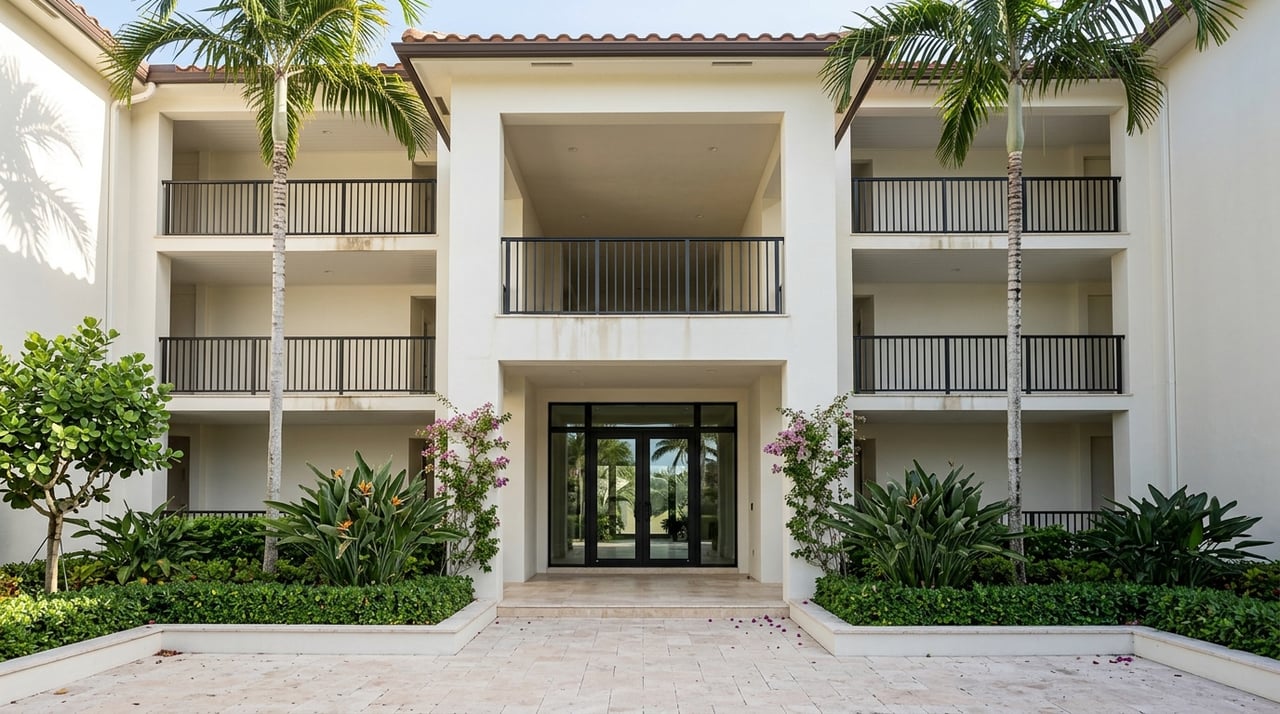
Wondering whether a Palm Beach condo, co-op, or single-family home is the better fit for your lifestyle and budget? It is a smart question, especially in a market where properties can look similar from the outside but work very differently once you own them. If you are comparing options in Palm Beach, this guide will help you understand what you are really buying, how monthly costs and responsibilities can change, and which questions matter most before you make an offer. Let’s dive in.
Palm Beach property types explained
In Palm Beach, buyers are often choosing between three very different ownership models: condos, co-ops, and single-family homes. That difference matters because it affects your rights, your monthly costs, your financing path, and your day-to-day experience as an owner.
The Palm Beach Board of REALTORS publicly separates listings into Homes and Condo-Co-Op categories, which is a good reminder that legal structure matters just as much as square footage or location. In the current market, you can see all three in play, from co-op listings like 300 S Ocean Boulevard #1D to single-family listings such as 257 Via Linda and 156 Dolphin Road.
What you own in a condo
With a Florida condo, you own a separate parcel of real property tied to your unit. You also receive an undivided share in the common elements and common surplus, along with membership and voting rights in the condominium association.
In simple terms, that means you own your unit while also sharing ownership of parts of the property like halls, grounds, and other common areas. The association operates the property and can place a lien on a parcel for unpaid assessments, so the association structure is a central part of condo ownership.
Why that matters for buyers
A condo can be appealing if you want a more streamlined ownership experience. Because the association is generally responsible for maintaining the common elements, many buyers see condos as a more lock-and-leave option, especially for seasonal use.
That said, condo living also means shared governance. Your ownership is tied to association rules, budgets, reserves, and assessments, so reviewing documents is a big part of the buying process.
What you own in a co-op
A Florida co-op works differently from a condo. Instead of owning a separate real property parcel in the same way, you typically receive evidence of membership, ownership of shares, or another interest in the association, along with the exclusive right to possess the unit.
You also get the right to use common areas as allowed by the cooperative documents. The association keeps official records, can levy common expenses, has access rights for maintenance, and can file liens for unpaid assessments.
Why co-ops feel different
Co-ops usually involve even more association involvement than condos. The ownership structure is more closely tied to the cooperative entity, so buyers need to pay close attention to how the building is governed and what the documents allow.
Lease flexibility is also a practical issue. Under Florida law, when a co-op unit is leased, the tenant gets the owner’s use rights in the association property during the lease, and the owner uses those rights only as a guest unless the lease documents say otherwise.
What you own in a single-family home
A single-family home is usually conveyed by deed, and fee simple ownership is the broadest form of land ownership. Put simply, title transfers to the property itself rather than through a shared-interest building structure.
For many buyers, this is the easiest ownership model to understand. You own the home and the land interest conveyed with it, without the same type of building-wide shared structure found in condos and co-ops.
Why homes offer more control
Single-family ownership usually means more direct responsibility for the property, but it also often gives you more control over how the home is used and improved. There is no shared common-element structure in the same way you see in condos and co-ops.
That can be a plus if you want a private lot, outdoor space, and fewer shared walls. It can also mean more hands-on responsibility for items like the roof, exterior, landscaping, pool, and site-specific systems.
Monthly costs and maintenance compared
For many Palm Beach buyers, the real decision comes down to the monthly tradeoff. A condo, co-op, and single-family home may all fit your price range up front, but the ownership costs can feel very different after closing.
Here is a simple way to compare them:
| Property type | Ownership structure | Maintenance pattern | Monthly cost pattern |
|---|---|---|---|
| Condo | Separate real property parcel plus share of common elements | Association maintains common elements, with some owner responsibility depending on the declaration | Regular association assessments, often covering shared property costs |
| Co-op | Shares or membership interest plus exclusive right to occupy | Association involvement is typically more extensive | Common expenses collected by the association |
| Single-family home | Deeded property ownership | Owner handles property-specific upkeep directly | Fewer shared monthly fees, but more direct repair and maintenance costs |
Condo costs in practice
Florida law places maintenance of common elements on the condo association except for limited common elements assigned to the owner by the declaration. Consumer guidance from Fannie Mae notes that condo fees often cover exterior repairs, common areas, and sometimes water, sewer, trash, insurance, and reserves.
That is one reason condos often appeal to buyers looking for convenience. You may pay more each month in assessments, but some major operating costs are bundled into that structure.
Co-op costs in practice
Co-ops also tend to bundle maintenance more tightly through the association. Florida law gives the association access rights for repairs and allows it to collect common expenses and maintain the property for which it is responsible.
For buyers, this can simplify some aspects of ownership. It also means the building’s financial health and operating rules are especially important to review before you commit.
Home costs in practice
A single-family home often gives you more freedom, but it usually means you manage more of the upkeep yourself. Instead of paying for a shared building structure, you are more likely to handle repairs and maintenance directly as they come up.
That can make monthly costs less predictable. Some months may feel lighter than condo or co-op ownership, while larger repair years can cost more.
Financing can vary by property type
Financing is another area where condos, co-ops, and homes can differ. Fannie Mae treats condo and co-op projects as project-review properties, and it notes that co-op share loans require special approval for delivery to Fannie Mae.
For condo buyers, Fannie Mae also suggests asking whether the project is warrantable. That is an important practical step because financing options may depend not just on your qualifications, but also on the building or project itself.
What buyers should take from this
If you are comparing a condo or co-op with a single-family home, do not assume the financing process will be identical. Early conversations with your lender and your agent can help you spot project-related issues before you spend time on a property that may not fit your financing path.
This is especially helpful for second-home buyers, relocation buyers, and anyone shopping remotely in Palm Beach.
Matching the property to your lifestyle
Palm Beach is a narrow barrier island between the Atlantic Ocean and the Intracoastal Waterway. The local board describes it as a place where residents value service, privacy, security, beaches, culture, golf, tennis, shopping, dining, and both seasonal and year-round living.
That setting helps explain why different buyers are drawn to different property types. The right fit often comes down to how you plan to use the property, not just what looks best in photos.
Condos and co-ops for lock-and-leave living
If you want a lower-maintenance setup for seasonal use or easier travel, a condo or co-op may be worth a closer look. Shared maintenance and building operations can make ownership feel more manageable when you are not in town full time.
This is often attractive for second-home buyers who value simplicity. It can also appeal to buyers who prefer building-based living over managing a private lot.
Homes for privacy and outdoor space
If your priority is more privacy, outdoor space, or fewer shared walls, a single-family home may fit better. Many buyers are willing to take on more direct maintenance responsibility in exchange for more control and a more independent ownership experience.
That tradeoff can be especially important if you expect to use the property year-round or want more flexibility in how you maintain and enjoy it.
Palm Beach due diligence matters more than ever
In Palm Beach, due diligence is especially important for condos and co-ops, particularly in older coastal buildings. Florida’s post-Surfside rules created major requirements that buyers should understand before moving forward.
For buildings that are three habitable stories or more, milestone inspections are required on a 30-year schedule, or on a 25-year schedule when local circumstances such as proximity to salt water justify it. Florida also requires structural integrity reserve studies for many condo and co-op buildings that are three stories or higher.
Key inspection and reserve deadlines
For older owner-controlled co-ops, the structural integrity reserve study deadline was December 31, 2024. For older owner-controlled condos, the deadline was December 31, 2025.
In both cases, the study may be completed alongside a required milestone inspection through December 31, 2026. If you are looking at an older building, these dates should be part of your review process.
Documents buyers should request
Before making an offer on a Palm Beach condo or co-op, ask for the association’s core documents and recent financial information. These records can help you understand the building’s rules, condition, and possible future costs.
Key items to request include:
- Declaration
- Bylaws
- Rules and regulations
- Latest budget
- Reserve information
- Latest structural integrity reserve study
- Milestone inspection summary
- Any pending or recent special assessments
Florida law requires many of these records to be kept in the association’s official records, and unit owners can inspect them. For buyers, this document review can reveal whether a property that looks attractive on paper also makes sense financially and operationally.
How county records can help
Palm Beach County records can also be useful when comparing homes, condos, and co-ops. According to the Palm Beach County Property Appraiser, each parcel or living unit within a condominium or cooperative gets its own 17-digit Parcel or Property Control Number, and the office determines assessed value for each parcel as of January 1 each year.
That can help you compare taxes, ownership history, and property identification across different ownership types. It is a practical step that can add clarity when you are narrowing down options in Palm Beach.
Which property type is best for you
There is no one-size-fits-all answer in Palm Beach. A condo may suit you if you want deeded ownership with shared maintenance, a co-op may fit if you are comfortable with a more association-centered structure, and a single-family home may be best if you want more privacy and direct control.
The key is understanding the tradeoffs before you buy. When you match the ownership model to your lifestyle, budget, and financing plan, you give yourself a much better chance of making a confident decision.
If you want help comparing Palm Beach condos, co-ops, and homes based on how you plan to use the property, I can help you sort through the details and narrow the field. Schedule a free market consultation with Matt Campbell.
FAQs
What is the difference between a Palm Beach condo and a co-op?
- A Palm Beach condo typically gives you ownership of a separate real property parcel plus a share of the common elements, while a co-op typically gives you shares or membership in the association along with the right to occupy the unit.
Are Palm Beach condos easier to maintain than single-family homes?
- In many cases, yes, because the condo association is generally responsible for maintaining the common elements, while single-family homeowners usually handle more property-specific maintenance directly.
Do Palm Beach co-ops have different leasing rules?
- They can, and Florida law states that when a co-op unit is leased, the tenant gets the owner’s use rights in the association property during the lease unless the documents provide otherwise.
What documents should buyers review for a Palm Beach condo or co-op?
- Buyers should ask for the declaration, bylaws, rules, latest budget, reserve information, latest structural integrity reserve study, milestone inspection summary, and any pending or recent special assessments.
Why do milestone inspections matter for Palm Beach condo buyers?
- They matter because Florida requires milestone inspections for many buildings that are three habitable stories or more, and older coastal buildings may also be subject to structural integrity reserve study requirements.
Can financing differ for Palm Beach condos, co-ops, and homes?
- Yes. Condo and co-op projects can involve project review, and co-op share loans can have additional approval requirements, so financing may work differently than it does for a single-family home.